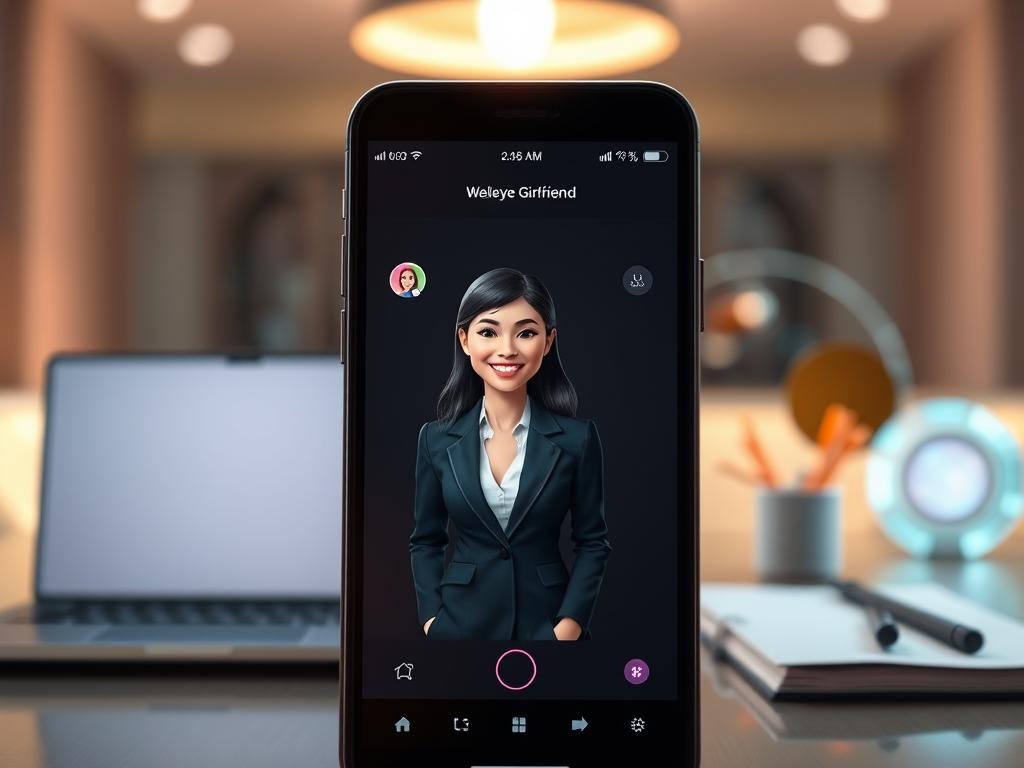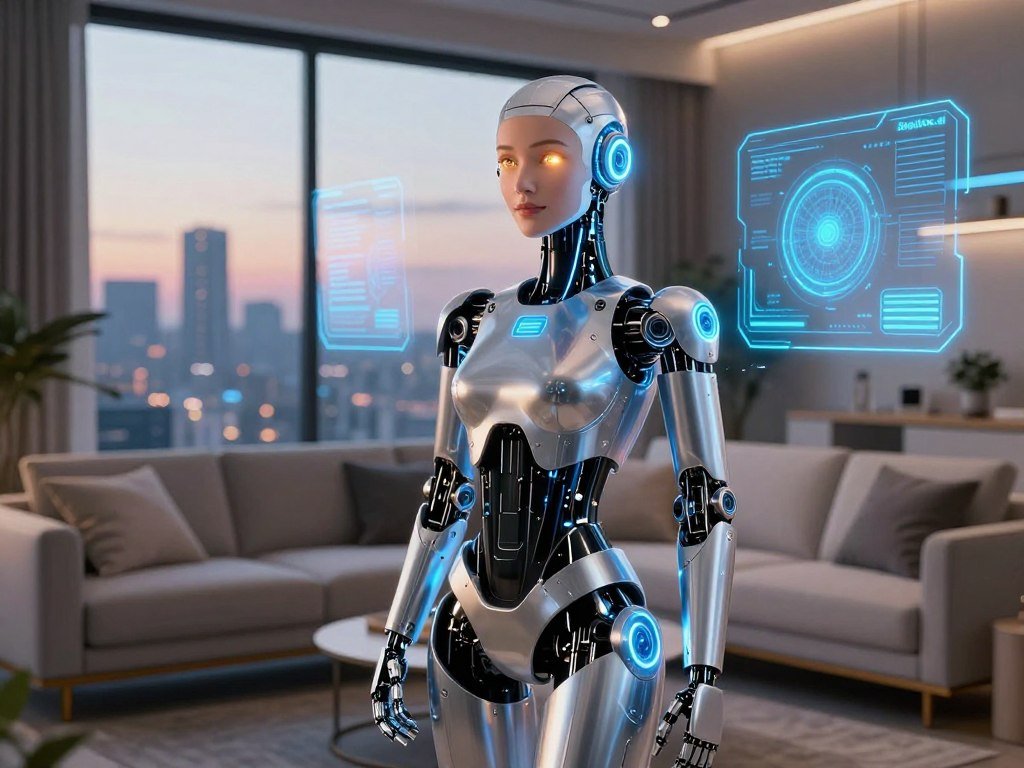
The rapid emergence of the ai girlfriend robot marks a significant shift in consumer technology. These advanced machines are no longer confined to the realm of science fiction. In fact, a high-end model named Aria is now available for purchase at CES 2025 for a staggering $175,000. This price reflects the sophistication and capability of these devices.
I will explore how these machines have transitioned from experimental prototypes to commercially available products. The intersection of artificial intelligence and physical hardware defines this new era of virtual relationships. It is fascinating to see how such innovations can integrate into our daily lives.
This article serves as a comprehensive guide to understanding the implications of these advancements. As we delve deeper, we will uncover how these virtual companions can reshape our personal interactions and emotional connections.
Key Takeaways
- The emergence of virtual companions represents a new frontier in technology.
- Models like Aria are now available for purchase, indicating market readiness.
- These devices are designed to enhance personal relationships.
- Understanding their impact on social skills is crucial.
- Virtual relationships may help reduce feelings of loneliness.
Introducing My Journey with AI Girlfriend Robots
My exploration into the world of virtual companions has led me to fascinating discoveries. I began my journey by investigating the American company Realbotix, which is currently making headlines in the tech news cycle. The CEO, Andrew Kiguel, explicitly stated that their goal is to create a robot girlfriend that can act as a romantic partner.
Much like the premise of the movie Her, these devices are designed to provide companionship that feels increasingly authentic to the user. I am fascinated by how these robots are being positioned to fill gaps in human connection that have persisted for many decades.
It is intriguing to see how a company can market such a complex product as a solution for those seeking a unique form of companionship. This journey has not only broadened my understanding but also deepened my appreciation for the advancements in this field.
Exploring the Technology Behind AI Companions
The technology behind AI companions is revolutionizing our interactions. These machines, like Aria, are equipped with remarkable features that enhance their ability to connect with users.
Advanced Body Mobility allows these robots to mimic humanlike physical gestures. This engineering ensures that movements appear natural, creating a more immersive experience for the user.
Additionally, the integration of complex artificial intelligence enables the machines to maintain eye contact and perform sophisticated facial expressions. Realbotix claims to have created some of the most realistic robots in the world, focusing on the nuances of human-like expressions.
With hidden cameras in their eyes, these devices utilize visual recognition to identify objects and people. For instance, they can recognize when someone is eating, enhancing the interaction.
This field of robotics is pushing the boundaries of how machines process information. It aims to simulate a genuine connection with humans, which is essential for meaningful companionship.
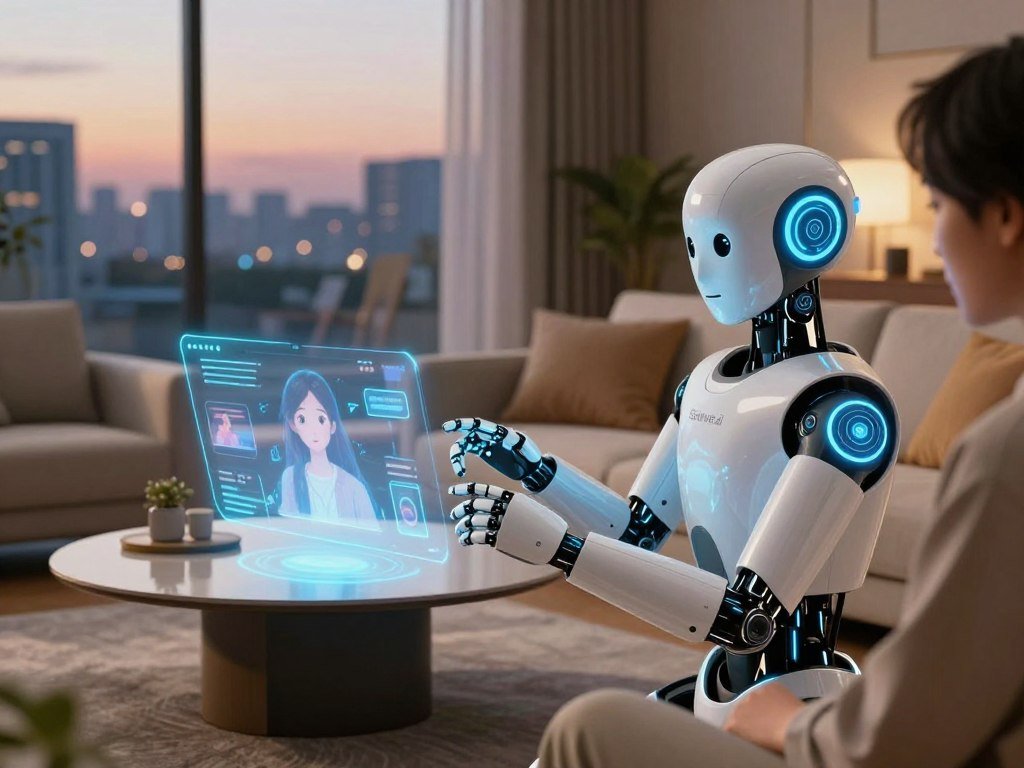
To learn more about how these companions can enhance your life, check out this article.
Addressing Loneliness: The Role of AI Girlfriend Robots
In today’s world, the loneliness epidemic is a pressing issue that many face. Realbotix markets Aria as a tool to tackle this challenge. These advanced companions are designed to provide emotional intimacy rather than physical connections.
I am examining how the loneliness epidemic has created a market for a robot girlfriend that can offer consistent emotional support. These devices foster deep companionship, helping individuals who feel disconnected from their social circles.
While not intended for physical intimacy, these robots facilitate conversations that are more intimate. Their goal is to provide companionship that remembers who the user is, addressing the core of the loneliness epidemic.
By acting as a partner, the machine attempts to bridge the gap between digital interaction and the need for meaningful emotional bonds.
| Feature | Description | Benefit |
|---|---|---|
| Emotional Support | Provides consistent companionship | Helps combat feelings of loneliness |
| Intimacy Level | Facilitates deep conversations | Fosters emotional connections |
| Memory Function | Remembers user preferences | Enhances personalized interactions |
Customization and Modularity: Crafting a Unique Companion
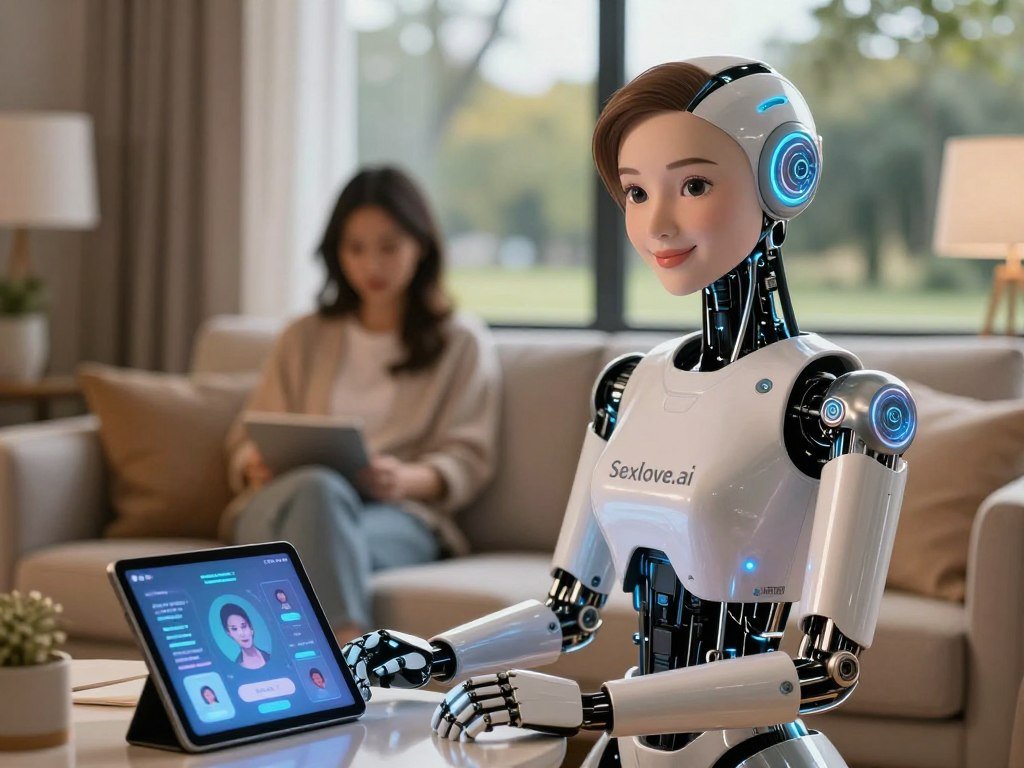
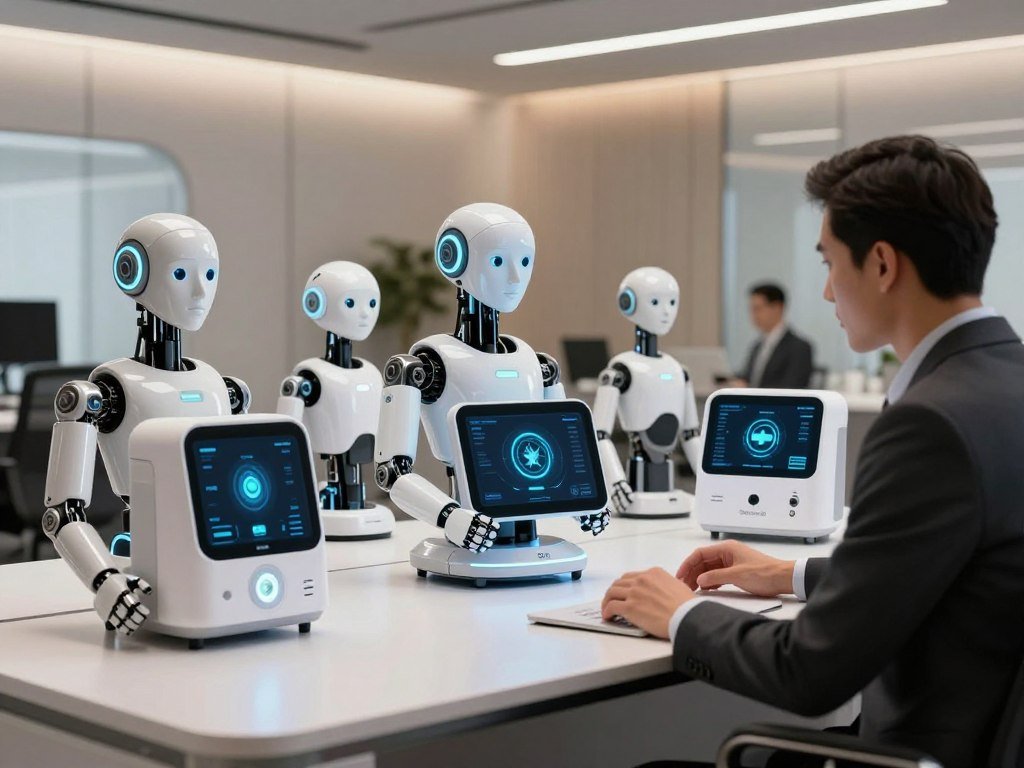
Customization is key in creating a truly unique companion experience. The modular design of these advanced machines allows users to tailor their companions to their preferences. For instance, faces can be magnetically detached and replaced in under five seconds, completely changing the robot’s appearance.
Additionally, I find it impressive that the body parts are also modular. This level of customization was previously impossible at this time. By integrating open-source AI applications, users can enhance their companions to provide the specific type of intimacy or conversation they desire.
This way of building a machine ensures that the owner can create their ideal character off the same chassis without needing to purchase a new unit. The ability to personalize expressions and features makes the companionship feel more tailored to individual needs and preferences.
| Feature | Description | Benefit |
|---|---|---|
| Modular Design | Allows quick face swaps | Changes entire appearance instantly |
| Body Customization | Interchangeable body parts | Enables unique configurations |
| Open-Source Integration | Supports third-party applications | Enhances user experience |
To explore more about the emotional aspects of these machines, check out this article.
Real-Life Insights from CES and Beyond
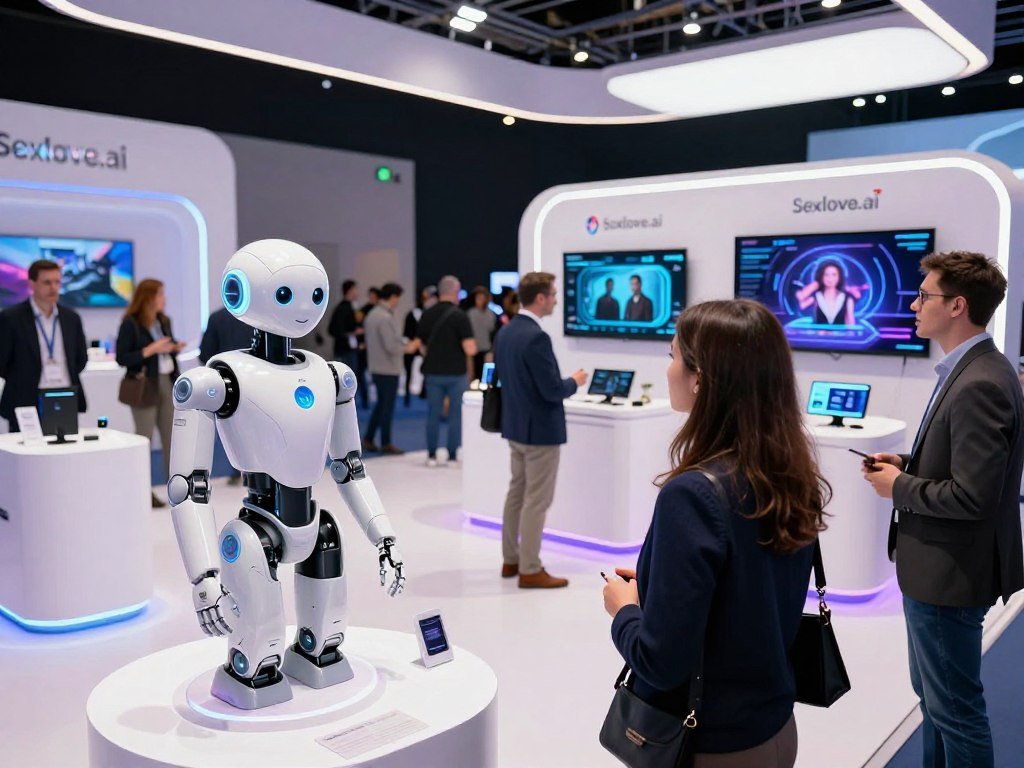
Experiencing the live demonstrations at CES 2025 provided invaluable insights into the future of robotic companions. I had the chance to see the Aria robot in action, engaging in real-time conversations with users. This experience showcased how technology is evolving to create more authentic interactions.
The company, Realbotix, is clearly pushing the technology to a new level. Although the facial expressions still have room for improvement, the robot’s ability to recognize users is impressive. This feature plays a vital role in fostering meaningful companionship.
It’s fascinating to see how the loneliness epidemic is being addressed by machines that can remember personal details and engage in intimate conversations. The presence of these robots at CES sparked significant news coverage, highlighting the growing interest in human-tech interaction.
- During my visit, I observed how Aria handles conversations, enhancing user experience.
- The technology showcased reflects a significant advancement in robotics.
- Realbotix aims to create companions that provide emotional support.
- The potential for addressing loneliness through these devices is promising.
- Overall, the event marked a pivotal moment in the evolution of robotic companionship.
The Future is Now: Embracing the ai girlfriend robot Experience
As technology evolves, the idea of a robot girlfriend is becoming a tangible reality. We are witnessing a transition where the concept of a robotic companion is moving from sci-fi movies into everyday use for the average consumer.
The future of companionship is being redefined by these machines, which are now being deployed in sectors like healthcare and education. I believe that as these robots become more sophisticated, they will play a larger role in how we manage our personal social lives.
Embracing this technology means accepting that a machine can provide a form of companionship that is both consistent and highly personalized. The evolution of these devices suggests that we are only at the beginning of a long journey toward integrating AI into our most intimate spaces.
For more insights on how these innovations are changing relationships, visit this article or explore this link.
Conclusion
The evolution of technology has brought forth new dimensions in our understanding of companionship. The rise of the robot signifies a profound shift in how we perceive virtual relationships and emotional support today.
While this technology is still developing, its customization and interaction capabilities offer a glimpse into a future filled with personalized companionship. I have explored how these devices address the loneliness epidemic by providing a consistent and attentive presence for users.
Looking ahead, the integration of open-source systems and modular designs will likely enhance the realism and utility of these robotic partners. Ultimately, the choice to embrace this technology reflects our changing needs for connection in an increasingly digital world.
FAQ
What are AI companions designed to do?
These companions are designed to provide emotional support, companionship, and engaging conversations, helping to alleviate feelings of loneliness.
How do these robots recognize and respond to emotions?
They utilize advanced facial recognition technology and emotional algorithms to interpret human expressions and respond accordingly, creating a more interactive experience.
Can I customize the appearance of my AI companion?
Yes, many companies offer options to personalize the appearance and features of these companions, allowing users to create a unique experience tailored to their preferences.
What impact do these robots have on social relationships?
While they can provide companionship, there are concerns about how reliance on virtual relationships may affect real-life social interactions and contribute to the loneliness epidemic.
Are there any ethical concerns regarding AI companions?
Yes, ethical considerations include the potential for dependency, privacy issues, and the implications of forming emotional attachments to non-human entities.
How do these robots learn and improve over time?
They utilize machine learning algorithms that allow them to adapt and enhance their interactions based on user feedback and experiences.
What are some notable advancements in this technology?
Recent advancements include improved body mobility, realistic facial expressions, and more sophisticated conversational abilities, making interactions feel more genuine.
How can I access or purchase an AI companion?
Many companies offer these companions online, and they can often be customized and ordered directly through their websites or at technology expos.