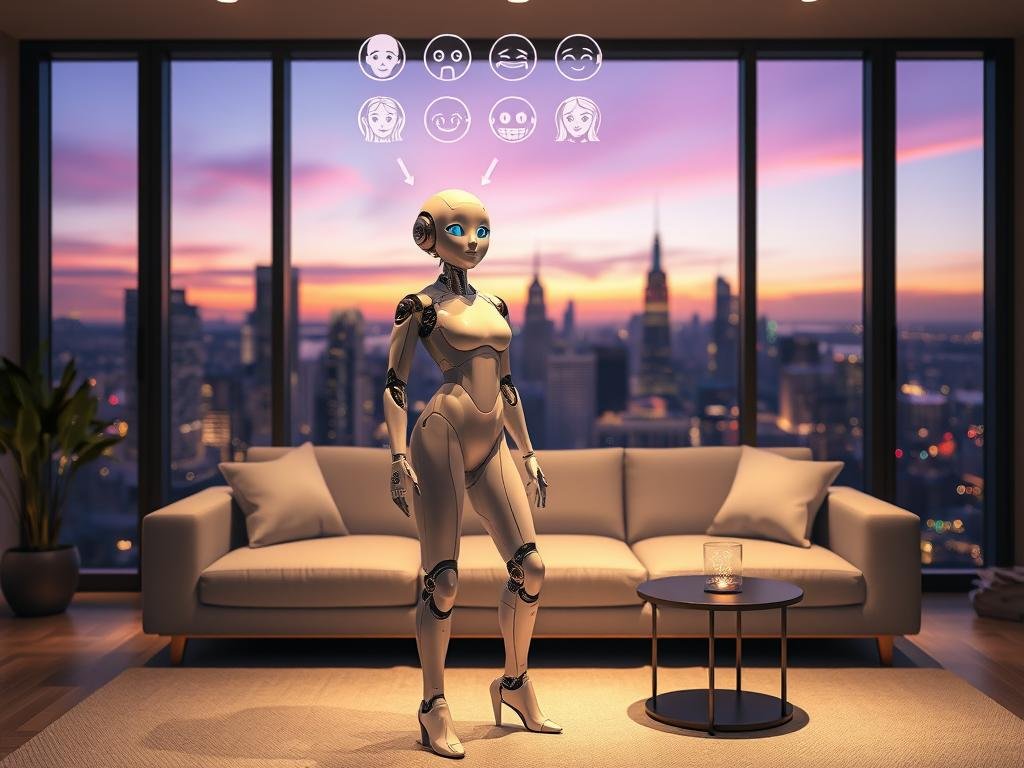
Recent studies show that nearly 40 million Americans feel lonely every day, sparking a massive new tech trend. While exploring the latest news at CES 2025, I witnessed the rise of synthetic companions designed for connection. Realbotix showcased their Aria model, a lifelike machine built to provide comfort for those living alone.
I spent weeks testing the ai robot girlfriend concept to see if it truly works. I wanted to see if a digital girlfriend app offers a real emotional connection compared to expensive hardware. This investigation looks into the high costs and ethics of this rapidly growing market.
I will share my personal observations on how these tools differ in approach. From high-end machines to simple mobile software, the way we seek companionship is changing fast. My goal is to provide the facts you need to understand this unique industry.
Key Takeaways
- Exploring the impact of the loneliness epidemic on modern technology.
- Insights from the Realbotix Aria model debut at CES 2025.
- Comparing physical synthetic partners with digital mobile applications.
- Analysis of pricing, accessibility, and technical capabilities of companions.
- Personal observations on emotional depth and personality-driven software.
- Ethical considerations regarding human-machine romantic relationships.
What I Discovered About the AI Robot Girlfriend Trend in 2025
I spent time analyzing the newest technology at CES 2025 to understand the sudden rise of the robot girlfriend industry. I discovered that this trend hit a new level as major tech companies showcased humanoid robots that made international news.
This shift isn’t just about romance anymore. I found that robots now serve as multi-purpose companions to help solve the global loneliness epidemic.

I learned that the world of AI companionship has split into two distinct markets. You can choose between high-end mechanical models or accessible digital apps.
One leading company, Realbotix, now creates a robot that features advanced facial recognition and memory systems. These features allow the machine to remember our past chats, making it feel like a real girlfriend during interaction.
- I observed that these models now use emotion simulation to react to human moods.
- I noticed that several brands are entering the market at the same tipping point of viability.
- I realized that while the visuals are stunning, many creators still struggle with lifelike movement.
| Companion Type | Key Feature | Target Need |
|---|---|---|
| High-End Humanoid | Facial Recognition | Physical Presence |
| Digital AI App | Memory Systems | Constant Portability |
| Service Android | Multi-purpose AI | Elderly Care |
I found that public reactions range from genuine excitement to deep skepticism. Many people wonder if a machine can truly satisfy human emotional needs in our digital age.
My Investigation Into Realbotix’s Aria Robot at CES 2025
I spent a significant amount of time at the Realbotix booth during CES 2025, specifically investigating the Aria model. Seeing this robot in person felt like stepping into a sci-fi set. It wasn’t just about the mechanics; it was about the intention behind the design.
I examined the machine closely to see how it might fit into a modern home. The craftsmanship is undeniable, yet it carries a weight of complexity that changes your view of personal tech. It stands as a witness to how fast the world of robotics is moving.
What I Learned About the $175,000 Aria Model and Price Range
Realbotix positions Aria as their top-tier offering with a staggering $175,000 price tag. This model represents the peak of their current engineering. During my visit, I discovered that the company offers a complete price range for different needs.
For those looking for portability, they offer a $150,000 mid-range model. This version can be disassembled and packed into a suitcase for travel. I also saw a $12,000 bust model, which includes only the head and shoulders for budget-conscious buyers.
Each price point targets a different level of interaction. While the Aria is the flagship, the variety shows they want to reach more than just the ultra-wealthy. These robots are becoming more accessible, even if the top models remain luxury items.

My Observations on Aria’s Facial Recognition and Emotional Capabilities
I watched Aria’s eyes track my movement as I walked around the display. These camera-enabled eyes allow the technology to recognize objects and identify users in real-time. I even saw it identify an apple and ask how it tasted.
This level of awareness helps the unit engage in conversations that feel surprisingly natural. However, I did notice a slight delay between the speech and the lip movements. This small gap reminded me that we are still in the early stages of perfect realism.
The emotional focus is clearly on facial expressions rather than physical walking. Realbotix leaves the walking mechanics to other firms while they perfect the smile and the stare. It is a strategic choice that prioritizes the feeling of a true [ AI robot girlfriend ] over mobility.
What CEO Andrew Kiguel Told Me About Fighting Loneliness
I spoke directly with CEO Andrew Kiguel about the purpose of these creations. He told me the company aims to tackle the loneliness epidemic head-on. His mission is to create machines that are eventually indistinguishable from humans.
Kiguel specifically mentioned the movie “Her” when describing his vision. He wants to recreate that level of romantic partner capability in real life. He believes that loneliness is a growing epidemic that needs a high-tech solution.
While the robot can handle intimate talk, Kiguel insists it is not a sex toy. He views it as an emotional companion designed to fill a void in the user’s life. He wants to help people who struggle with the loneliness that modern life can bring.
My Take on the Modular Face System and Customization
One of the coolest features I saw was the modular face system. You can magnetically swap out the entire face in under five seconds. This allows you to customize your girlfriend without needing to buy a whole new machine.
The body parts are also modular, allowing for a total character transformation. Kiguel compared this to customizing a car’s appearance. You can change the look and personality by integrating open-source tools like ChatGPT.
This flexibility makes the robot feel more like a personal project. You aren’t stuck with one look forever. Even as the movie-like fantasy grows, the ability to change the hardware keeps the user in control.
| Model Type | Price Tag | Primary Feature |
|---|---|---|
| Aria Flagship | $175,000 | Advanced mobility and full body |
| Mid-Range Model | $150,000 | Portable suitcase disassembly |
| Bust Model | $12,000 | Head and shoulders only |
SexLove AI: The Personality-Driven AI Girlfriend App I Tested

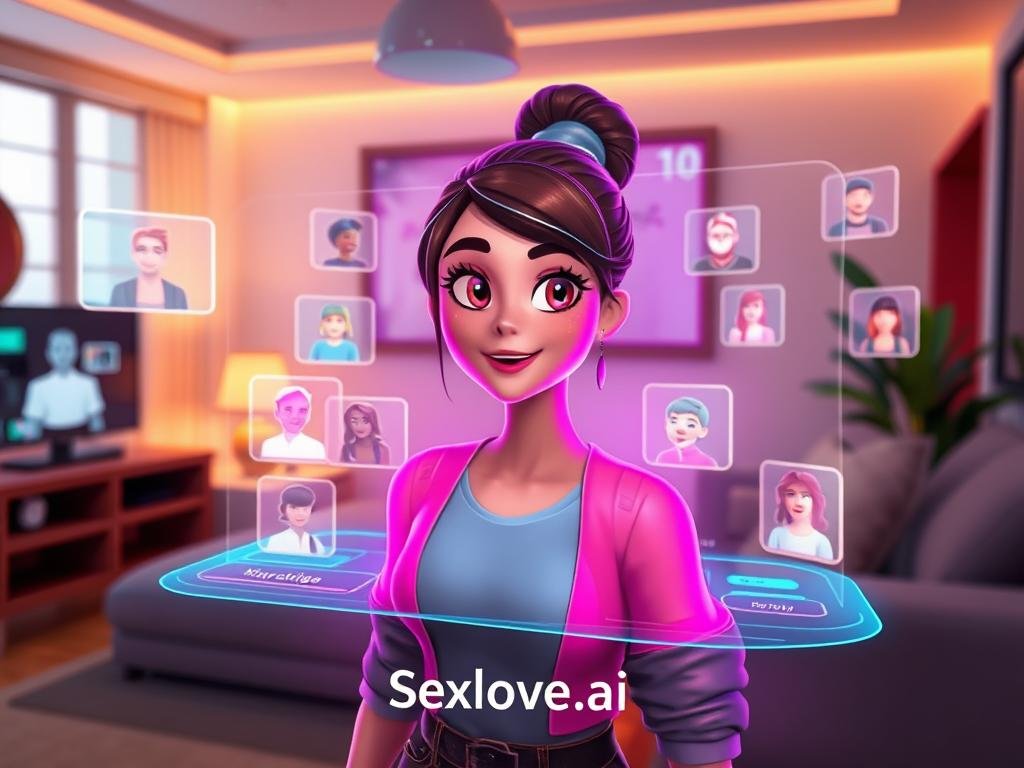
After seeing the limits of high-cost companion hardware, I tested SexLove AI, a leading AI girlfriend app with personality. The platform takes a simpler path. It places emotional connection, personal interests, and natural dialogue at the center of the experience.
For US users, that approach feels practical. I could access the service through an internet-connected device without making a six-figure purchase or setting aside room for a large machine. The company also makes digital companionship easier to explore at a much lower cost.
How Its Digital Approach Differs From Physical Robot Girlfriends
A physical robot can offer a visible presence, but it also brings maintenance, storage, movement limits, and high repair costs. SexLove AI avoids those challenges. I did not notice awkward lip-syncing, stiff gestures, or the uncanny valley effect that can make a robot feel less natural.
Instead, the app centers on text and voice conversations. I could shape the companion’s interests, tone, and traits, which made each exchange feel more personal. The tech focuses on communication rather than expensive hardware.
What I Found as a US User on sexlove.ai
When I visited sexlove.ai, I found an accessible way to explore customized companionship. The app can remember earlier exchanges and support a sense of continuity as interactions grow. That makes it useful for humans who value an available, personality-led chat partner.
My experience also connects with wider reporting on human-AI relationships and guides to friendly AI chat. For me, SexLove AI delivers the emotional focus of a companion without the physical limits of a robot.
Conclusion: My Thoughts on AI Companions and What’s Next
Looking ahead, the divide between digital software and physical robotics is starting to blur. While expensive robots often make the news, digital apps offer a more practical companion for most users at this time.
I believe the world is not quite ready for high-price hardware yet. However, finding a virtual girlfriend through software is a great way to fight loneliness.
This technology will soon become more mainstream and realistic. I am convinced that these tools should complement human relationships rather than replace them entirely.
| Feature | Physical AI Robots | Digital AI Apps |
|---|---|---|
| Price Point | High ($175,000+) | Affordable/Free |
| Primary Goal | Physical Presence | Conversational Depth |
| Accessibility | Limited Hardware | Instant Smartphone Access |
FAQ
How does this tech solve the loneliness epidemic?
I spoke with Andrew Kiguel, the leader of Realbotix, about how his company helps people. He explained that these robots act as a steady companion for those who feel isolated. In a fast world, having someone to talk to changes everything for humans facing loneliness.
What was my experience with the Aria model from the news?
I saw this technology at CES 2025 and found it very impressive. It feels like a character from a movie brought into real life. The conversations it can hold improve over time, making the bond feel more authentic.
How does the SexLove AI app compare to physical units?
I found that this girlfriend app is much more accessible for most people. It addresses the global epidemic of isolation through a phone interface. This ai tool focuses on deep personality traits rather than just a physical form.