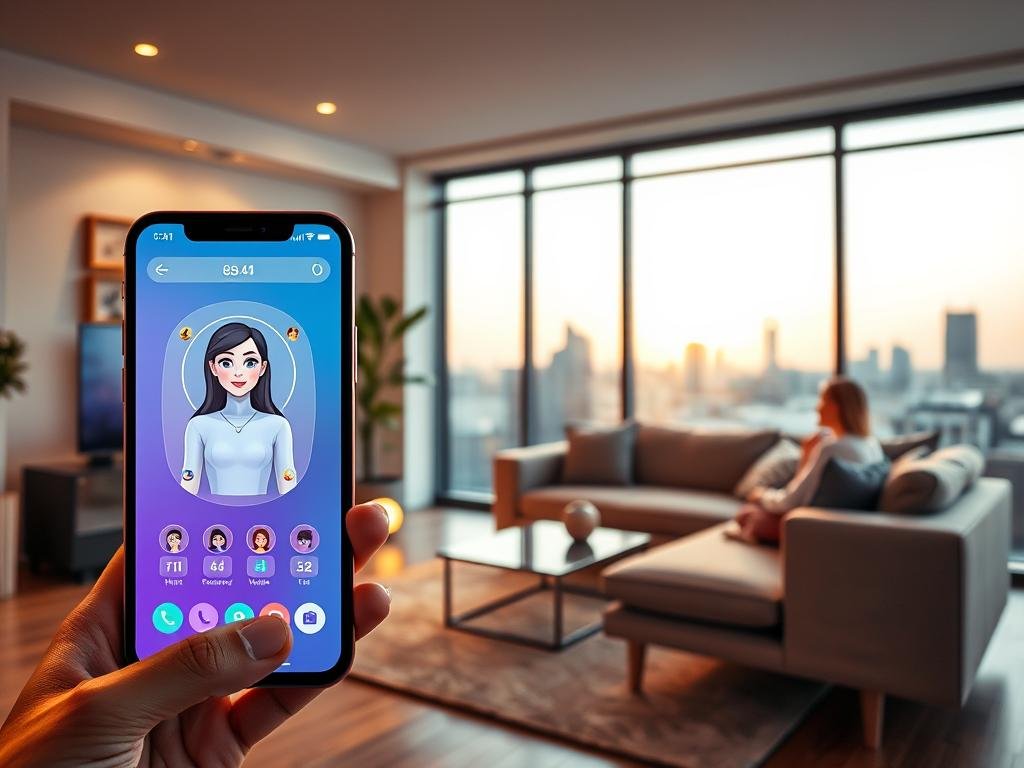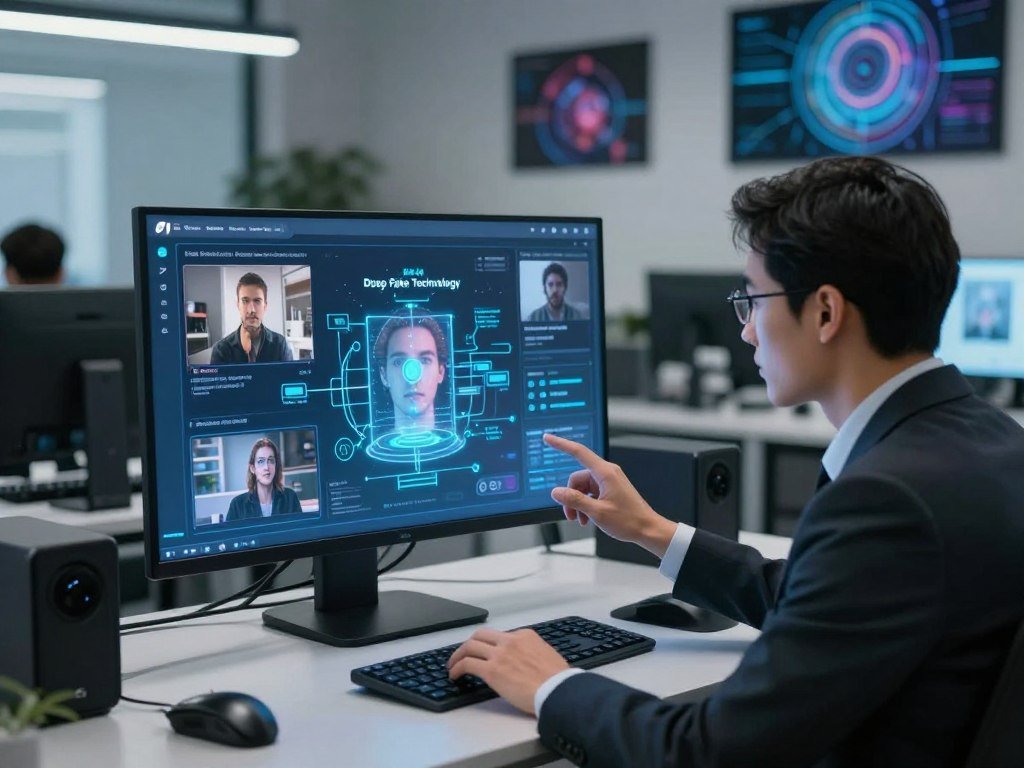
Welcome to the fascinating world of deepfake technology. As we step into 2024, this field is evolving rapidly. The number of deepfake files online is projected to skyrocket from around 500,000 in 2023 to an astounding 8 million by 2025. This growth is largely due to advancements in artificial intelligence methods, making it easier for anyone to create realistic synthetic media.
In this guide, I aim to help you understand this complex landscape. You will discover how these technologies work and their implications for society. By learning about the construction of these videos, you will be better equipped to navigate the challenges they present. Protecting your digital identity and maintaining trust in the information you encounter is more crucial than ever.
By the end of this guide, you will have a clear perspective on identifying and mitigating the risks associated with deepfakes. Let’s dive in and explore this captivating technology!
Key Takeaways
- This guide helps you understand the evolving landscape of deepfake technology.
- Learn how artificial intelligence creates synthetic media that mimics real people.
- Gain essential knowledge to navigate the impact of deepfakes on society.
- Explore how these videos are constructed and their significance in digital media.
- Understand the importance of protecting your digital identity.
- Be prepared for the challenges posed by modern technology.
Introduction to AI Deep Fake Technology
Step into the intriguing realm of synthetic media technology. Deepfakes are AI-generated content designed to convincingly depict a person saying or doing something they never actually did. The term itself combines “deep learning” and “fake,” capturing the essence of this rapidly evolving field.
A deepfake is essentially a piece of media created by artificial intelligence to make a person appear as if they are someone else. These videos and audio clips exploit our natural inclination to trust what we see. As this technology becomes more accessible, it is increasingly used to impersonate identities and manipulate trust on a global scale.
Moreover, deepfakes can scramble our understanding of truth, turning fiction into apparent fact. This creates a ripple effect, leading people to doubt the authenticity of genuine media. The ability to clone a person’s voice or face has made deepfakes a significant concern for security professionals and the public alike today.
By understanding these tools, you can better protect yourself against the deceptive nature of modern synthetic content and audio manipulation.
Exploring the Technology Behind Deepfakes
Let’s delve into the mechanics that make deepfake technology so compelling. At the heart of this innovation lies a system known as a generative adversarial network (GAN). This technology consists of two machine learning models that work in opposition to enhance the quality of the generated content.
The first model, called the generator, creates the initial deepfake. The second model, known as the discriminator, identifies any inconsistencies in the output. This dynamic pushes the generator to refine its results continuously, leading to more realistic outcomes.
Research by professor Siwei Lyu from the University at Albany has shown that face-swapping techniques often result in resolution inconsistencies detectable by algorithms. Similarly, professor Edward Delp and his team at Purdue University utilize neural networks to spot inconsistencies across various frames in video sequences.
These systems process vast amounts of data to learn the distinctive features of a person, including their appearance from multiple angles. The outcome of this deep learning process allows for the manipulation of videos, audio, and images with remarkable precision, often deceiving observers.
Understanding these technical aspects is crucial for anyone looking to grasp how artificial intelligence generates such convincing and realistic synthetic media content. For further insights, check out this article on the implications of deepfake technology.

Mastering ai deep fake Tools and Techniques
Mastering the art of deepfake creation involves selecting the right tools and techniques. Understanding how these software programs function is crucial for effective content creation. Most deepfake apps are designed to be user-friendly, allowing you to create or modify a piece of media in under 30 seconds.
When choosing a deepfake generator, consider that it requires a substantial number of samples of a person’s voice and likeness. This data is essential for capturing details like tone and cadence. By leveraging pre-trained models, many modern apps minimize user input while maximizing output quality.
Here are some key points to remember:
- Selecting the right tools requires understanding how artificial intelligence models process input data.
- Modify videos carefully to ensure the cadence, tone, and accent of a person’s voice are convincing.
- Security teams must recognize that these tools can bypass standard verification processes during live interactions.
- For example, a voice clone can impersonate a trusted business executive in a live call.
| Feature | Deepfake Apps | Traditional Editing Software |
|---|---|---|
| Speed | Under 30 seconds | Minutes to hours |
| User Input | Minimal | High |
| Complexity | Easy | Moderate to High |
Mastering these techniques can open up creative possibilities while also highlighting the risks involved. To explore more about the implications of these technologies, check out this article.

Mitigating Risks and Challenges in Digital Media
Navigating the complexities of digital media today requires an understanding of the inherent risks involved. The rise of deepfakes presents significant challenges that demand both legal and technical solutions.
As of late 2025, 47 states have enacted laws to combat issues like election interference and commercial impersonation. One notable example is the TAKE IT DOWN Act, which specifically targets non-consensual intimate AI-generated synthetic media. This legislation marks a critical step in addressing the growing concerns surrounding deepfake technology.
In 2025, U.S. deepfake fraud losses soared to over $1.1 billion, a staggering increase from the previous year’s $360 million. To combat this, companies are increasingly deploying detection tools that analyze media for signs of manipulation. These tools can identify anomalies, such as unusual blinking patterns in videos or spectral inconsistencies in audio.
It is essential for security teams to implement verification strategies that go beyond basic biometric checks. The rapid evolution of state laws means organizations must stay informed about the latest regulations. Furthermore, the time between the creation and distribution of a deepfake is often too short for traditional detection methods.
| Legal Frameworks | Detection Techniques | Financial Impact |
|---|---|---|
| 47 states have deepfake laws | Tools for anomaly detection | $1.1 billion in losses (2025) |
| TAKE IT DOWN Act (2025) | Identifying unusual blinking | Tripled from previous year |
| Addressing election interference | Analyzing audio spectral anomalies | Growing cyber crime concerns |
To learn more about the impact of deepfake technology, check out this article.

The Impact of Deepfake Technology on Media and Society
The implications of synthetic media are reshaping our understanding of trust and reality. The rise of deepfake technology has profound effects on businesses and society. For instance, in March 2025, a finance director at a Singapore multinational company approved a $499,000 wire transfer after a deepfake Zoom call. This incident highlights how attackers can manipulate trust through synthetic videos and voices.
Moreover, I have observed that these technologies are often used to impersonate executives, creating urgency that bypasses standard verification protocols. This tactic can severely damage a company’s reputation by spreading false statements that seem credible.
Ethical considerations are paramount, especially when deepfakes are used to manipulate public perception or propagate misinformation. Security teams must correlate signals across multiple platforms to detect coordinated campaigns that use both fake emails and synthetic audio.
The 2019 case of a British energy company losing $243,000 to a deepfake voice scam serves as a reminder that even sophisticated organizations can be deceived. As these tools advance, the risks to society grow, making it essential to develop better verification methods for digital content.
| Incident | Year | Loss |
|---|---|---|
| Singapore multinational company | 2025 | $499,000 |
| British energy company | 2019 | $243,000 |
| Average deepfake fraud loss | 2025 | $1.1 billion |
To learn more about the future of technology and its impact, check out this article.
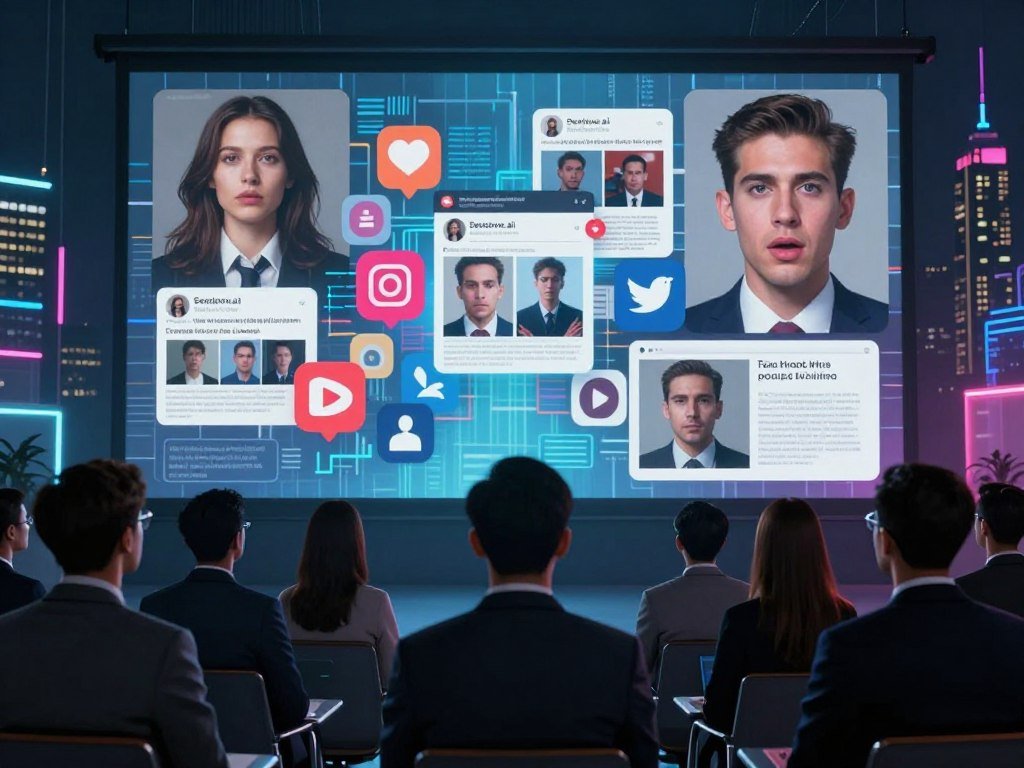
Conclusion
In summary, while deepfakes pose significant risks, a comprehensive approach can help us manage these threats. This includes a combination of legal frameworks, advanced detection tools, and heightened public awareness. We must enhance our verification strategies to stay ahead of those who use technology to create deceptive content.
As the legal landscape continues to evolve, it is crucial to remain skeptical of suspicious videos and audio, especially those that prompt urgent actions. By fostering collaboration between security teams and the public, we can build a more resilient digital environment less vulnerable to impersonation and fraud.
Thank you for exploring deepfake technology with me. I hope you feel better equipped to navigate the digital world in 2024. For more insights on the challenges posed by synthetic media, consider reading this article.
FAQ
What are deepfake videos?
Deepfake videos are manipulated media that use advanced technology to create realistic alterations. This can involve changing a person’s face or voice in a video, making it appear as though they said or did something they did not.
How is deepfake technology used today?
This technology is utilized in various fields, including entertainment, advertising, and even education. However, it also raises concerns regarding misinformation and privacy violations.
What tools can I use to create deepfake content?
There are several software options available, such as Zao, DeepFaceLab, and Reface. Each tool offers different features and levels of complexity, catering to both beginners and advanced users.
What are the risks associated with deepfake technology?
The primary risks include potential misuse for creating misleading content, which can damage reputations or spread false information. Legal implications also arise, as laws are still evolving to address these challenges.
How can I detect deepfake videos?
Detection techniques involve analyzing inconsistencies in audio and visual elements. Specialized software is also being developed to identify manipulated content more effectively.
What legal protections exist against malicious deepfakes?
Legal frameworks vary by region, but many states are implementing laws to combat the harmful use of this technology. These laws aim to protect individuals from defamation and privacy breaches.
How does deepfake technology impact society?
The impact is significant, as it challenges our trust in media. While it can enhance creative expression, it also poses ethical dilemmas regarding authenticity and accountability.